Project ARIAS — Advanced Autonomous Navigation
Neutralizing the
15-Minute
Response Gap.
Autonomous Thermal-Resilient Navigation. Engineered for GPS-denied, extreme-heat corridors to maintain operational continuity when standard assets are grounded.
The 15-Minute Threshold
Research validates a critical intervention window in wildfire containment where aerial response within 15 minutes determines whether a fire remains suppression-scale or escalates to catastrophic spread. Every minute beyond this threshold exponentially increases resource deployment and civilian risk.
Operational Constraints
Current aerial assets face mandatory grounding under two persistent wildfire conditions: wind gusts exceeding 50 km/h and zero-visibility smoke density. These "Grounding Factors" create operational dead-zones precisely when intervention is most critical — leaving emergency corridors undefended.
The ARIAS Solution
Autonomous thermal-resilient logic that operates independently of GPS signal and maintains navigational integrity within extreme-heat corridors. ARIAS-equipped platforms remain mission-capable under conditions that ground every conventional aerial asset in the current emergency management fleet.
Dynamics Research by
CSIRO — Bushfire Dynamics Research ProgramPhase 1 Validation
In Progress.
Currently in technical validation alongside Monash University. The program is fully budgeted and operating under Australian sovereign IP mandates in partnership with Emergency Management Victoria.
REQUEST FULL DOCUMENTATIONHardened for the Extreme:
Advanced Composite Architecture
Navigating the fire front requires materials that defy conventional thermal limits. Project ARIAS is engineered with a proprietary material stack designed for maximum survivability in high-radiant-heat environments.
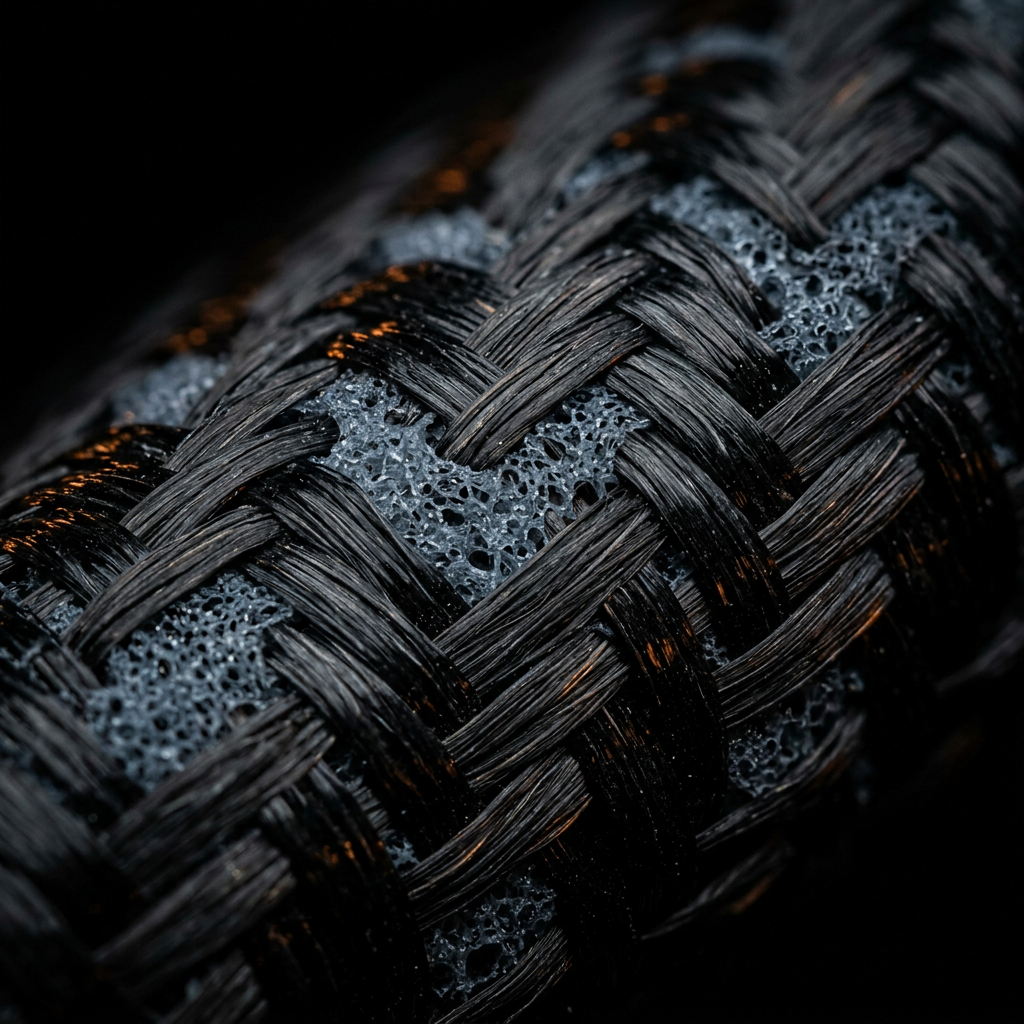
Carbon Fibre Structural Core
The airframe utilizes high-modulus carbon fibre, achieving an ultra-lightweight power-to-weight ratio. This allows for high-velocity kinetic maneuvers and rapid ascent capabilities that commercial airframes cannot sustain.
Tensile Strength
3,500 MPa
Silica Aerogel Thermal Barrier
Integrated into leading edges and avionics bays, our Aerogel insulation provides a near-total thermal break. This "thermal armor" protects internal autonomous logic and propulsion systems from extreme radiant heat, ensuring operational stability within the "Golden Window" of fire interception.
Thermal Resistance
>1,000°C
Rated Tolerance
>1,000°C
"We don't just build drones; we engineer the thermal foundations for regional safety."
The ARIAS composite stack draws from space-agency-grade thermal protection principles — the same material science used in atmospheric re-entry systems — adapted for sustained deployment in active fire corridors.
Thermal Resistance
Live Simulation.
Select a fire scenario and run the simulation to see how the ARIAS composite stack protects the payload under extreme heat.
Select Scenario
Exposure Time
20°C
Payload Temp
100%
Integrity
MISSION READY
Payload within safe range
Composite Stack — Heat Penetration
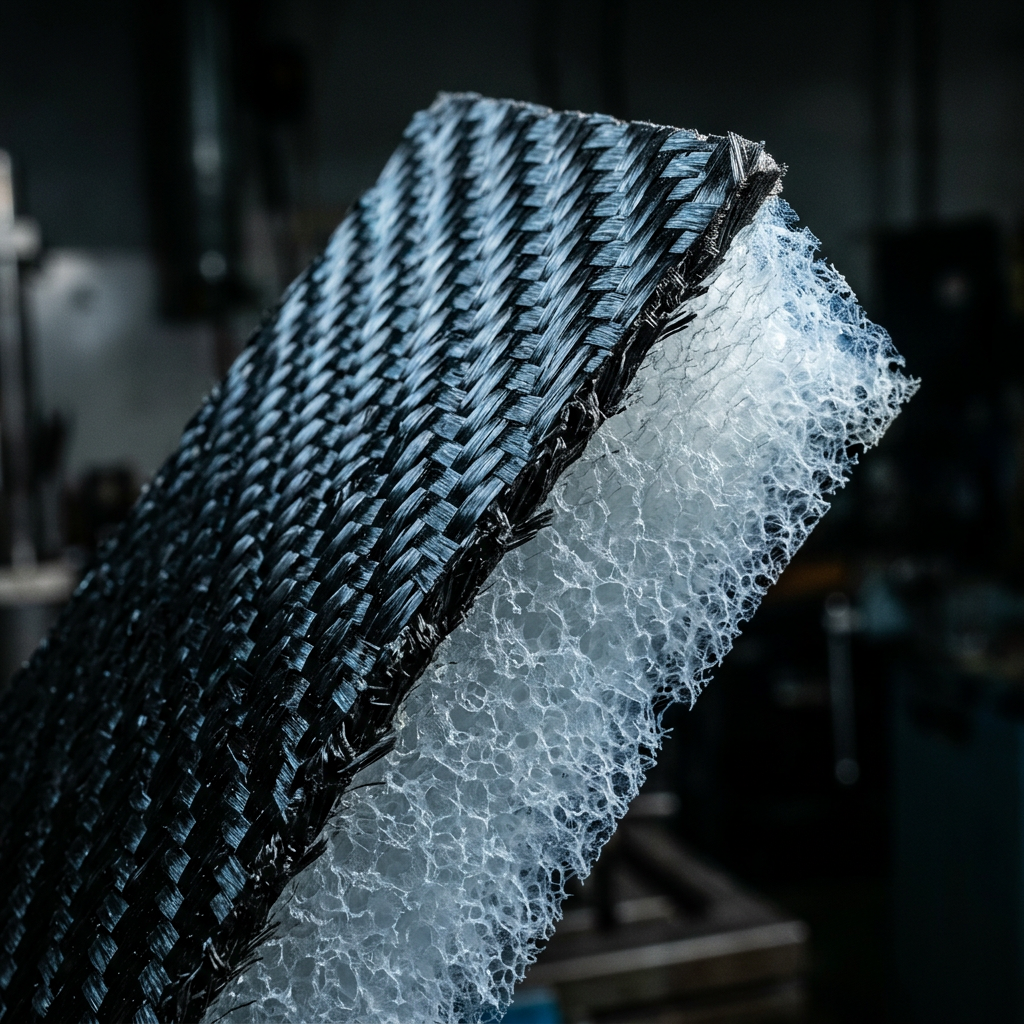
Carbon Fibre + Aerogel
Two-layer composite — structural strength with maximum thermal isolation
3500°C
CF melt limit
0.012 W/mK
Aerogel conductivity
Simulation uses a simplified heat-conduction model for illustrative purposes. Actual performance data is available under executed NDA.
Technical Capabilities
The following capabilities are disclosed at the Public Mission Brief classification level. Full technical documentation requires authenticated access.
Technical Whitepaper
Full engineering specifications & validation data
Monash University
Independent technical validation partner for Project ARIAS. Providing academic verification of autonomous navigation algorithms and thermal resilience specifications under controlled and field-equivalent test conditions.
Phase 1 Validation Partner · Melbourne, Victoria
Country Fire Authority
Operational alignment partner for live fire trial and drill scenarios across Victorian terrain. CFA collaboration enables ARIAS validation under authentic wildfire corridor conditions including the Grampians, Otway Ranges, and Dandenong Ranges fire-prone landscapes.
Operational Field Partner · Victoria, Australia
Live Victorian Field Trial Scenarios
Grampians Corridor
Grass & Scrub Fire Drill
Otway Ranges
Smoke Density Navigation Trial
Dandenong Ranges
High-Wind Vortex Simulation
ARIAS Telemetry Dashboard
Simulated field telemetry — Victorian fire corridor environment
Units Active
3
Mesh Nodes
3
Link
SB-LINK
Encryption
AES-256
GPS-DENIED MODE · INERTIAL NAVIGATION ACTIVE
All systems nominal. Autonomous intercept ready.
Time Left For The Next Fire Season
Victorian Fire Danger Period · December 1, 2026
61
Days
23
Hours
11
Minutes
50
Seconds